


40,000 UC frontline workers prepare first-ever open-ended strike
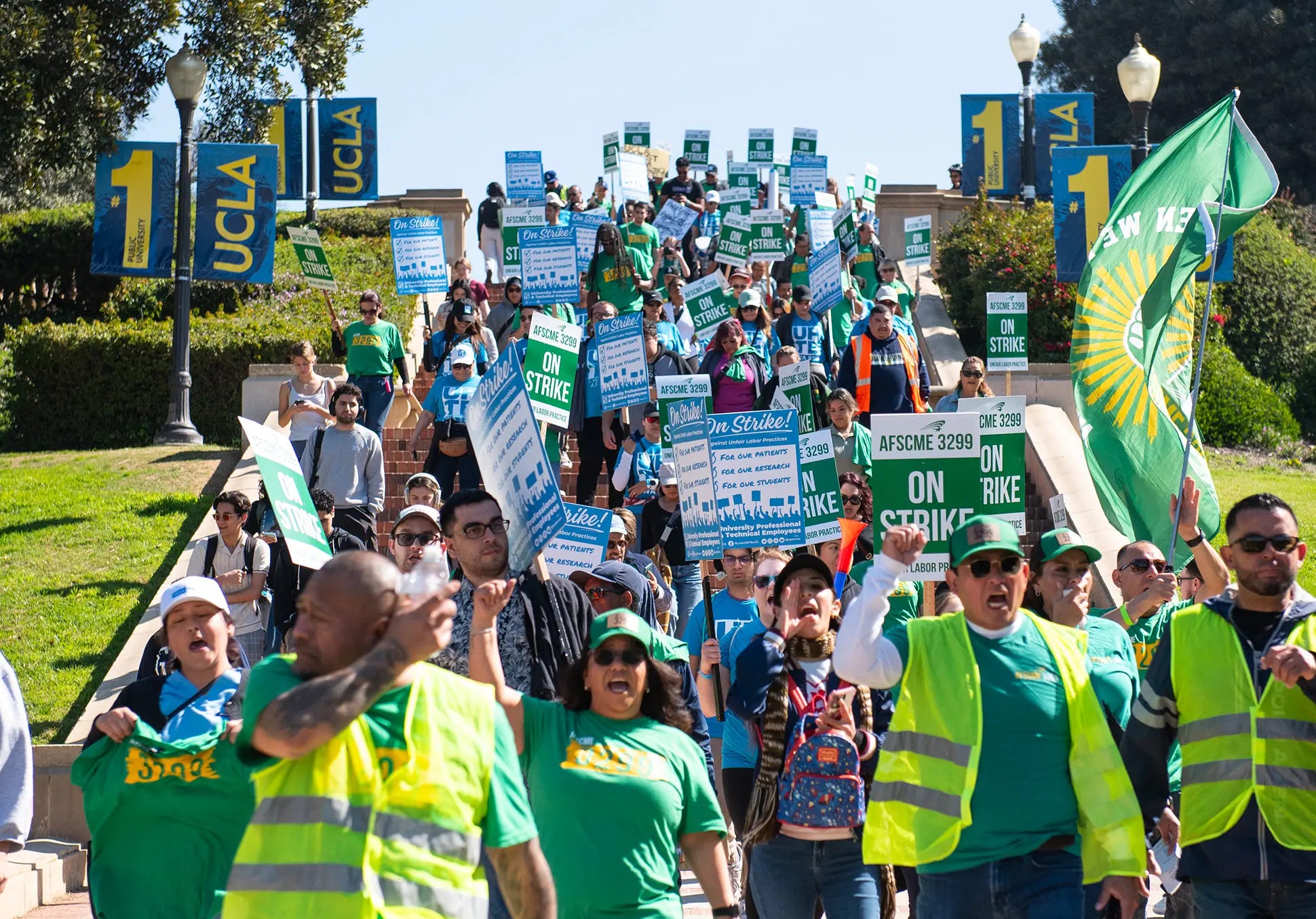
More than 40,000 frontline workers across the University of California system are preparing to launch an open-ended unfair labor practice strike beginning May 14, escalating one of the largest labor fights in the country. Represented by AFSCME 3299, the workers include patient care staff, dining hall workers, custodians, groundskeepers, and building and facilities staff who keep UC hospitals and campuses running every day.
The strike comes after more than two years of bargaining and numerous shorter unfair labor practice strikes, but this marks their first open-ended strike. The union is calling out UC for bargaining in bad faith, including unilaterally increasing healthcare costs during bargaining and refusing to meaningfully negotiate over housing proposals.
UC operates in some of the richest regions in the country, yet many of the workers who keep campuses and hospitals functioning are increasingly unable to afford to live anywhere near their jobs. Rising rents have pushed workers farther and farther away from campuses, driving up commute times while real wages effectively fall. Meanwhile, higher-paid UC employees often receive housing assistance or benefits, while many frontline workers receive nothing comparable. AFSCME members are demanding contracts with livable wages, protected healthcare, job security, and housing assistance to offset crushing costs of living.
Spirit Airlines collapse leaves 17,000 workers behind
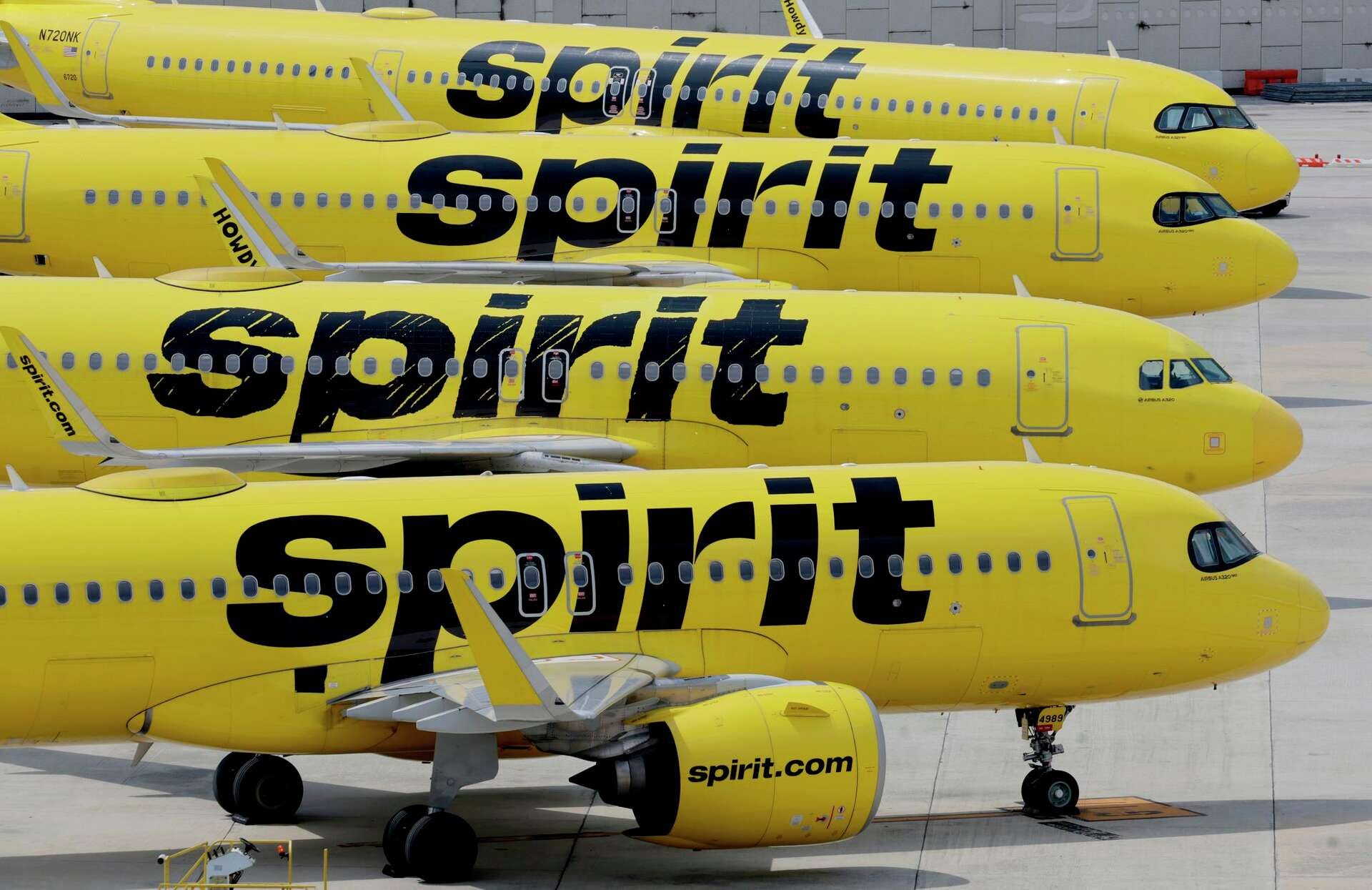
After 34 years in business, Spirit Airlines abruptly shut down operations on May 2, immediately canceling flights and leaving 17,000 workers without jobs, including over 5,500 flight attendants represented by AFA-CWA and thousands of IAM members.
Spirit had struggled financially for years, surviving multiple bankruptcies in 2024 and 2025, reflecting broader turbulence in the industry. But the sharp rise in fuel prices following the expanding U.S. war on Iran pushed the already weakened airline over the edge, forcing the sudden shut down. Spirit publicly cited soaring fuel costs as a major factor in its collapse after failed efforts to secure a federal bailout of $500 million – less than the U.S. spent each day on the war on Iran.
For workers, the devastation is immediate. Many spent years building seniority and stable schedules in one of the hardest industries to break into. Now they face layoffs overnight and uncertain prospects in a volatile airline industry already defined by instability and consolidation.
As AFA President Sara Nelson put it: “Spirit Flight Attendants are not just some asset to be written off in this process. Their lives matter, and the livelihoods of all Spirit workers must come before the profits of shareholders.” The collapse also raises broader questions about who air travel is actually for. Spirit served hundreds of thousands of working-class travelers who relied on one of the country’s few ultra-low-cost carriers. Major airlines had little incentive to see a low-cost competitor survive, especially one that helped restrain prices across the market.
In response, the ideas of public ownership to worker-led cooperative models are becoming viral trends – reflecting growing frustration with an airline industry that repeatedly privatizes profits and socializes collapse. If airlines are essential infrastructure, many are beginning to conclude that they should be run like a public good.
Workers protest Bezos Met Gala spectacle
At a time when working people are struggling to afford rent, groceries, and healthcare, this year’s Met Gala – sponsored by billionaire Jeff Bezos and Lauren Sánchez Bezos – became one of the clearest symbols yet of America’s growing inequality. Tickets cost $100,000 – putting the price tag at more than the median annual household income in the United States – while luxury outfits worn for a single evening regularly cost hundreds of thousands or even millions.
This year, workers refused to simply watch the spectacle. Labor organizers turned the event into a target, protesting Amazon’s labor practices and Bezos’ attempts to polish his image through philanthropy and elite cultural institutions. Protesters placed fake urine bottles around the museum – a reference to long-standing reports of Amazon workers forced to urinate in bottles under brutal warehouse production demands. Massive projections across nearby buildings highlighted Amazon workers speaking out about working conditions, while labor activists organized a competing “Ball Without Billionaires” celebrating workers instead of elites.
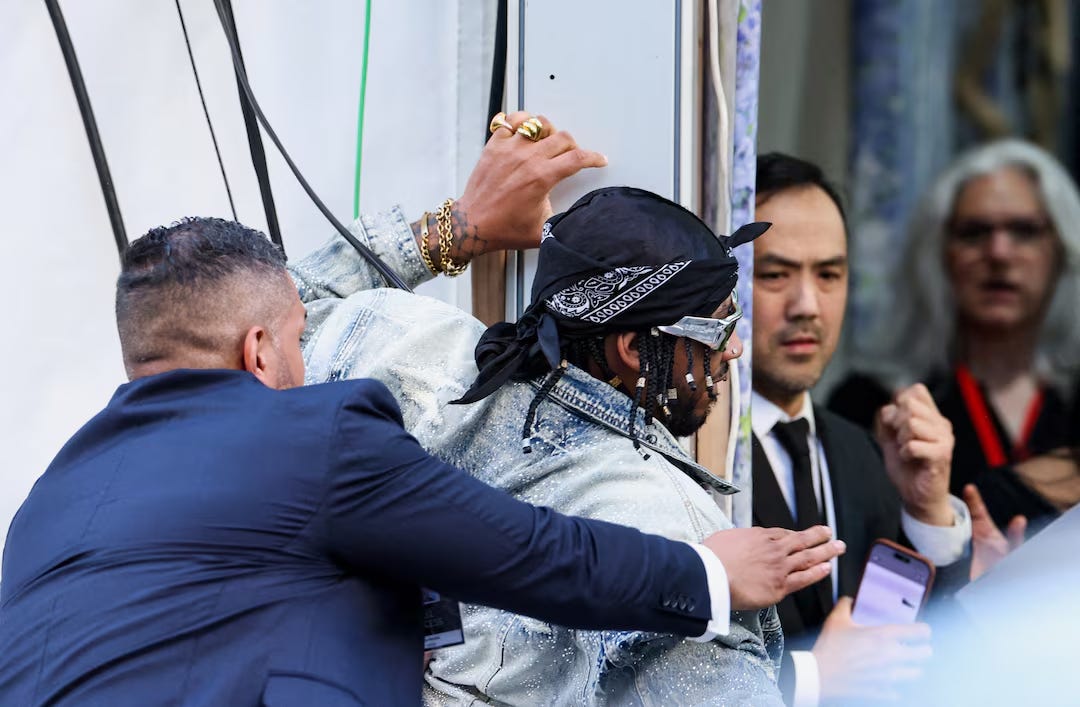
Former Amazon Labor Union president Chris Smalls was arrested after breaching a barricade during protests outside the gala. Smalls later said he had no regrets, framing the protest as exposing the disconnect between billionaire excess and working-class reality.
The backlash to this year’s Met Gala says something deeper about this political moment. Workers are increasingly unwilling to let billionaires wrap themselves in art, culture, and philanthropy while the people who make their wealth possible struggle to survive. The old idea that ordinary people are supposed to admire the ultra-rich is wearing thin.
BONUS ROUND
Bring it to the shop!
The Pickets & Power Bulletin covers the biggest stories impacting all working people today. Share these stories with your union siblings, coworkers, friends, and family. Read it together, discuss, and take lessons to strengthen your own fights. When we fight, we win – and when we fight, we learn. Tell us in the comments about campaigns you think we should include in our next bulletin!