


Supreme Court backs Trump’s deportation machine
The Supreme Court handed the Trump administration two major immigration victories this week, ruling against TPS holders and asylum seekers in decisions that could expose hundreds of thousands of immigrants to deportation while making it even harder for new migrants to seek refuge in the U.S.
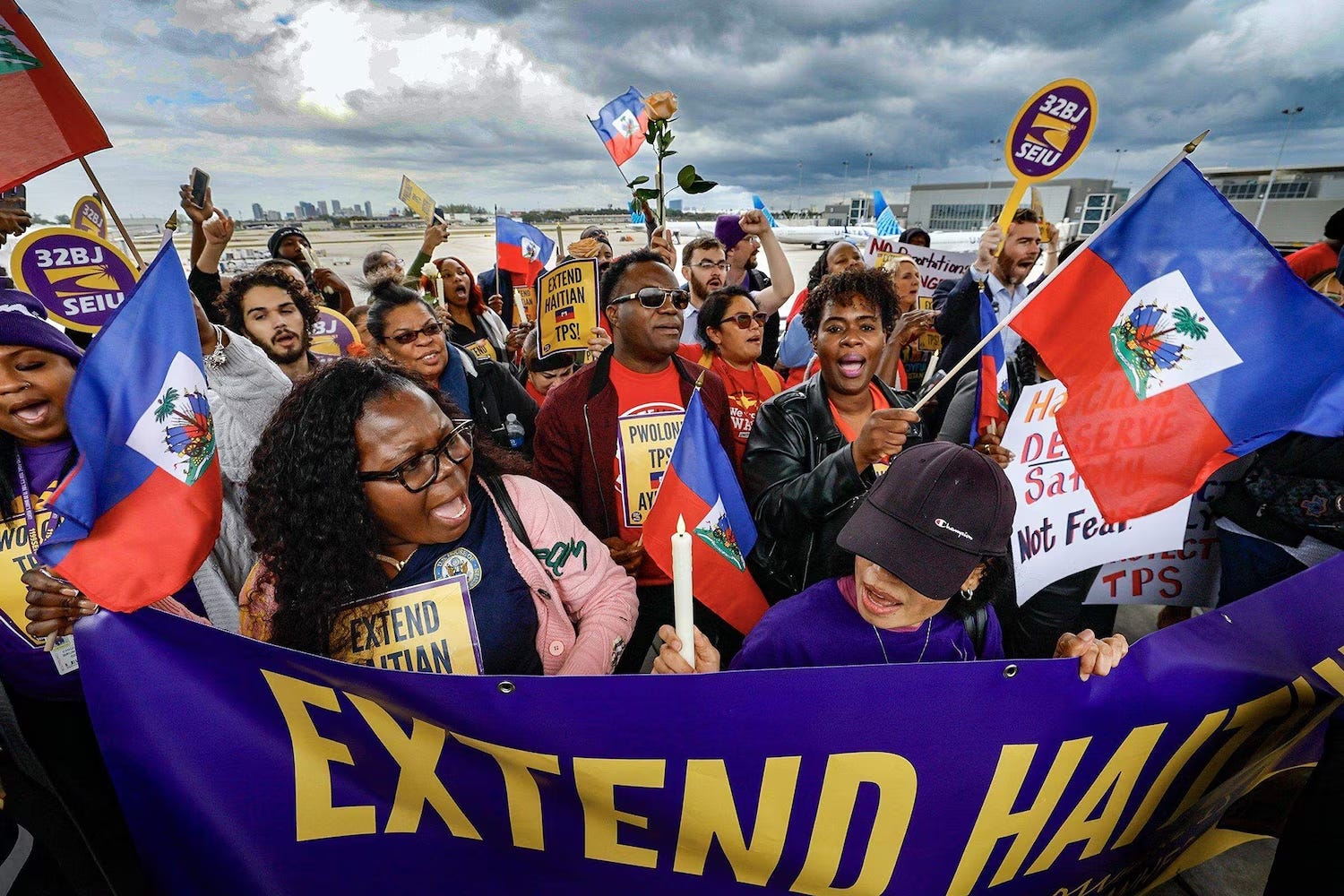
In Mullin v. Doe, the Court ruled 6–3 that the federal government can terminate Temporary Protected Status designations for Haitians and Syrians, and that federal law sharply limits court review of those decisions. The ruling immediately threatens roughly 350,000 Haitians and more than 6,000 Syrians who have lived and worked legally in the U.S. under TPS. It could also open the door to future attacks on the nearly 1.3 million TPS holders nationwide.
TPS holders are immigrants who registered with the government, received work authorization, renewed their status, and followed the rules laid out for them. Many fled countries devastated by war, political instability, climate disasters, and economic crises, often with the fingerprints of U.S. foreign policy and corporate exploitation all over them. Now, because they have repeatedly given the government information about where they live and work, they could be among the easiest people for ICE to target if their protections are stripped away.
In a second 6–3 ruling, Mullin v. Al Otro Lado, the Court allowed the administration to revive “metering,” the practice of limiting how many asylum seekers can be processed at ports of entry each day and turning away migrants before they physically step onto U.S. soil. The policy began under Obama, was expanded under Trump, and can now be used to effectively shut the door on asylum seekers before they can even make their claim.
Together, the rulings show how the next phase of Trump’s mass deportation project is developing. After high-profile raids provoked mass resistance, legal scrutiny, and political backlash, the administration has increasingly paired enforcement with quieter bureaucratic weapons: court rulings, rule changes, status terminations, detention expansion, and new barriers to asylum.
That does not mean the deportation machine has stopped. It means the terrain is shifting. Observers have noted the administration is recalibrating away from the most public, “shock and awe” tactics while continuing harsh enforcement through rules and red tape. After Kristi Noem was replaced by Markwayne Mullin at DHS, some of the most theatrical figures of the crackdown were removed or demoted, but the administration’s goals remained intact.
This is the danger of the moment: fewer viral images of mass raids does not mean less repression. It can mean deportations happening through paperwork, databases, court orders, status revocations, and employer firings. For immigrant workers, the threat is still the same. One day you are legally working, raising a family, paying taxes, and building a life. The next day, the government changes the rules and declares you deportable.
Trucking faces a historic purge, longer hours, and self-driving expansion
The trucking industry is entering one of the most turbulent periods in its history, as new immigration and licensing rules threaten to push hundreds of thousands of immigrant drivers out of the workforce at the same time companies are pushing for less limits on driving hours and expanding self-driving truck operations.
Industry economists warned last fall that the industry could face the “largest capacity purge in history,” citing estimates that the total at-risk driver population could exceed 600,000 when accounting for non-domiciled CDL restrictions, English-language enforcement, undocumented drivers, and restrictions on new hires.
The rule changes are already real. FMCSA’s 2026 non-domiciled CDL rule sharply restricts which immigration statuses qualify for non-domiciled commercial licenses, and says states should audit and revoke credentials that do not comply with federal standards. The agency’s own FAQ says applicants with pending asylum claims are not eligible for non-domiciled CDLs under the new framework.
At the same time, the Trump administration has intensified English-language enforcement for truck drivers, with drivers who fail newly intensified proficiency checks placed out of service. The administration frames the crackdown as a safety measure. But in practice, it is also functioning as an immigration and labor-market purge in an industry heavily dependent on immigrant drivers.
Now trucking companies and regulators are also looking at changes to hours-of-service rules. FMCSA is testing new pilot programs that would let drivers “pause” the 14-hour driving window by excluding certain breaks or non-driving time. The agency says the pilots are about flexibility, but in the context of a looming driver shortage, workers have reason to worry that “flexibility” for carriers could mean longer, more exhausting workdays for drivers.
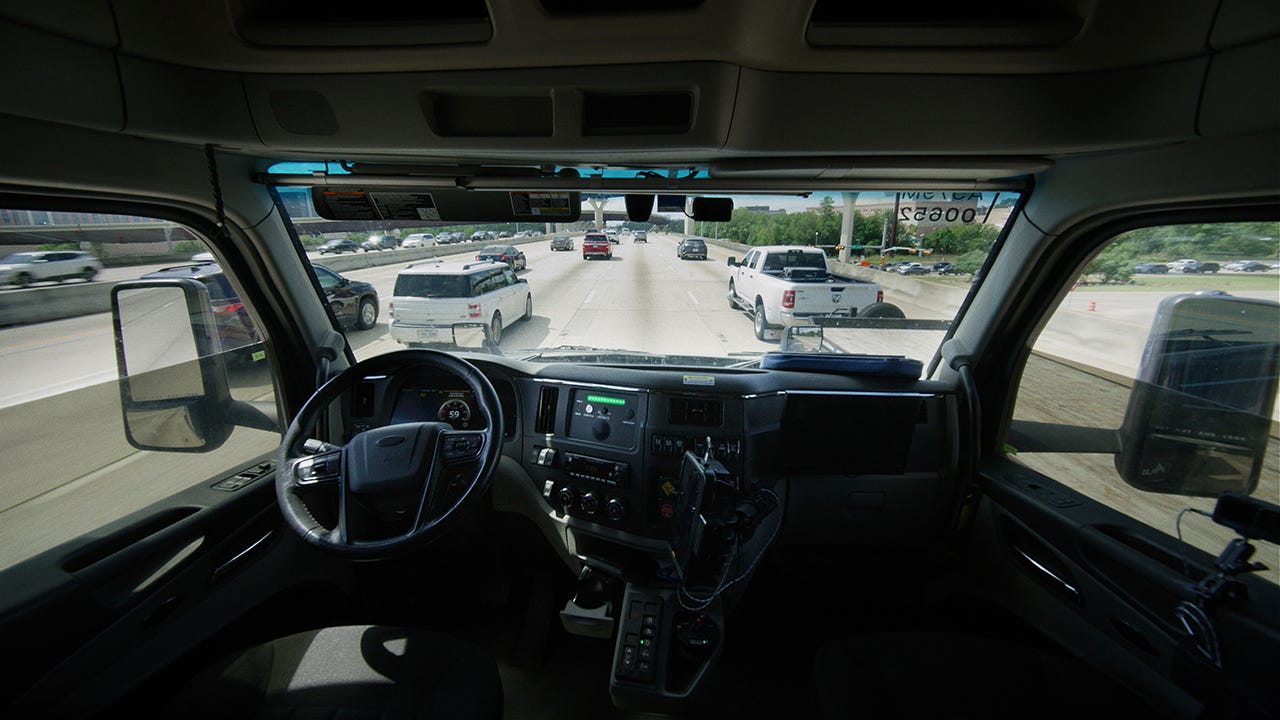
Then comes automation. Aurora has expanded driverless trucking operations in Texas, including a deal with McLane to haul goods between Dallas and Houston without a human safety driver operating the vehicle. Aurora has also announced autonomous freight expansion in the Permian Basin, where trucks could operate more than 20 hours a day hauling materials for the oil and gas industry.
Taken together, these changes point to a dangerous restructuring of trucking. Immigrant drivers are being pushed out. Remaining drivers could be pushed harder. And companies are using the disruption to accelerate automation that could threaten millions of trucking and logistics jobs in the years ahead.
Twins concessions workers strike for wages, healthcare, and job protections
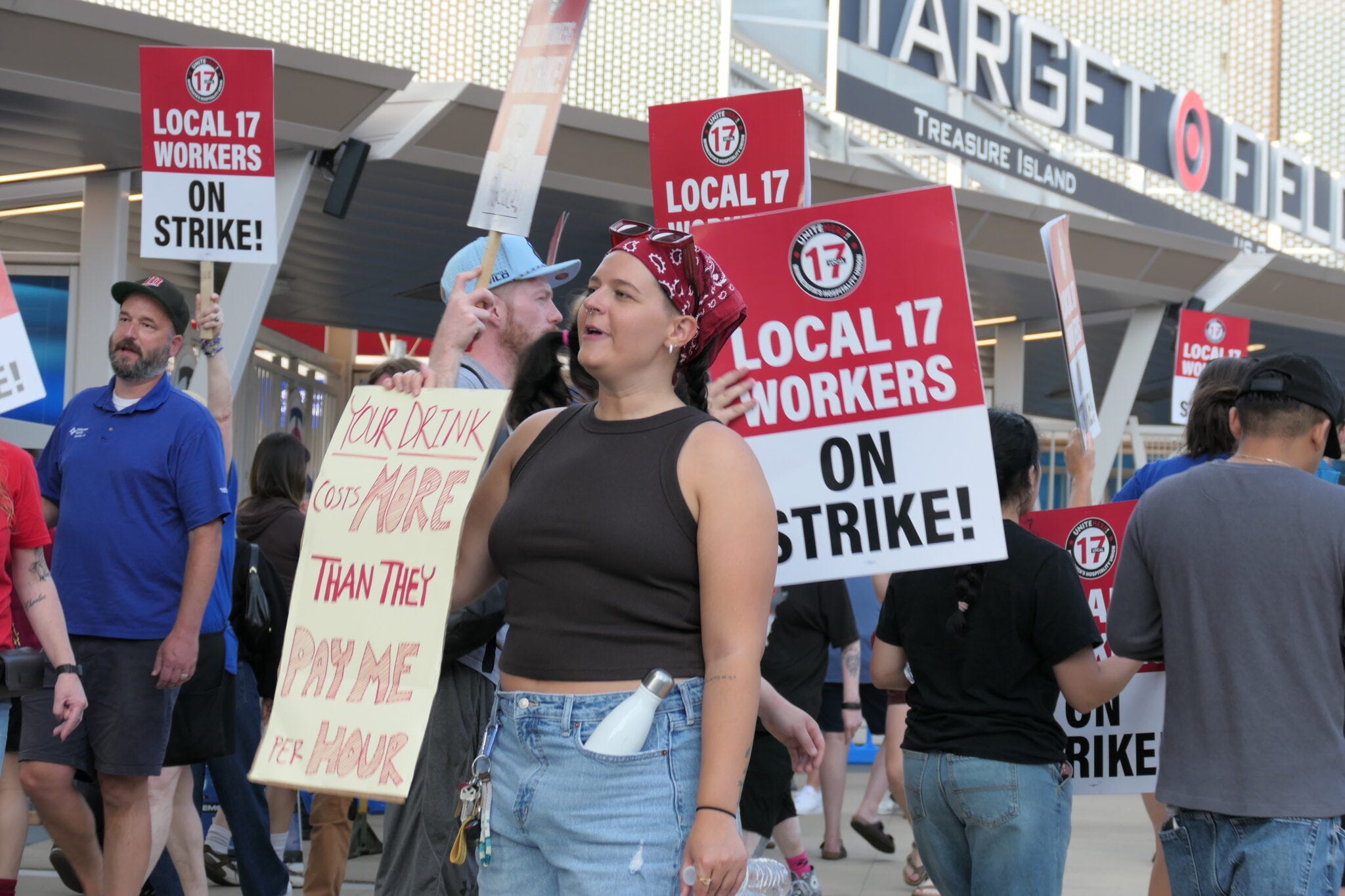
More than 500 concessions workers at Target Field in Minneapolis held a one-day strike this week during the Twins’ game against the Dodgers, demanding higher wages, affordable healthcare, and job protections.
The workers, represented by UNITE HERE Local 17, include cooks, bartenders, suite attendants, dishwashers, food runners, and other concessions staff who keep the stadium running. The strike was the first of its kind at a major league stadium in Minnesota and landed on one of the biggest games of the season, with more than 30,000 fans expected.
Workers say negotiations with Delaware North have stalled over pay and health insurance. Many seasonal stadium workers have no employer health coverage, forcing them to rely on expensive marketplace plans or go without. That fight has become even sharper as ACA marketplace premiums rose dramatically in 2026 after federal subsidies expired.
At a stadium where a beer or meal can cost more than some workers make in an hour, concessions workers are demanding a fair share of the profits they bring in. They’re also demanding job protections against the use of non-profit volunteer groups in concessions work, a model that can allow stadium operators and contractors to fill jobs without creating stable union employment.

California state workers fight Newsom’s return-to-office order
California state workers are calling out Gov. Gavin Newsom’s return-to-office mandate, which is set to take effect July 1 and requires many telework-eligible state employees to report to the office at least four days per week.
SEIU Local 1000, which represents nearly 100,000 state workers, has filed an unfair labor practice charge with the Public Employment Relations Board, arguing that the state refused to bargain in good faith over changes to telework conditions. The union is organizing rallies, bargaining pressure, and member actions as the mandate approaches.
Newsom’s order was delayed last year after union pushback. Now the deadline is back, and state workers say the policy will increase childcare costs, gas costs, commute time, traffic, pollution, and turnover while doing little to improve public services. The union has argued that telework saves money, helps retain experienced workers, and makes state jobs more accessible.
Newsom has positioned himself as a national opponent of Trump, but on return-to-office he is borrowing from the same management playbook used against federal workers: force people back into offices, make jobs harder to keep, and call it accountability.
For workers, RTO mandates are not just about preference. They are about control over time, money, family life, disability access, and whether public agencies can retain experienced staff. If management can unilaterally rewrite telework rules for 100,000 workers, it weakens the power of state workers by circumventing their bargaining rights.
BONUS ROUND
Bring it to the shop!
The Pickets & Power Bulletin covers the biggest stories impacting all working people today. Share these stories with your union siblings, coworkers, friends, and family. Read it together, discuss, and take lessons to strengthen your own fights. When we fight, we win – and when we fight, we learn. Tell us in the comments about campaigns you think we should include in our next bulletin!