


Elon Musk becomes the world’s first trillionaire
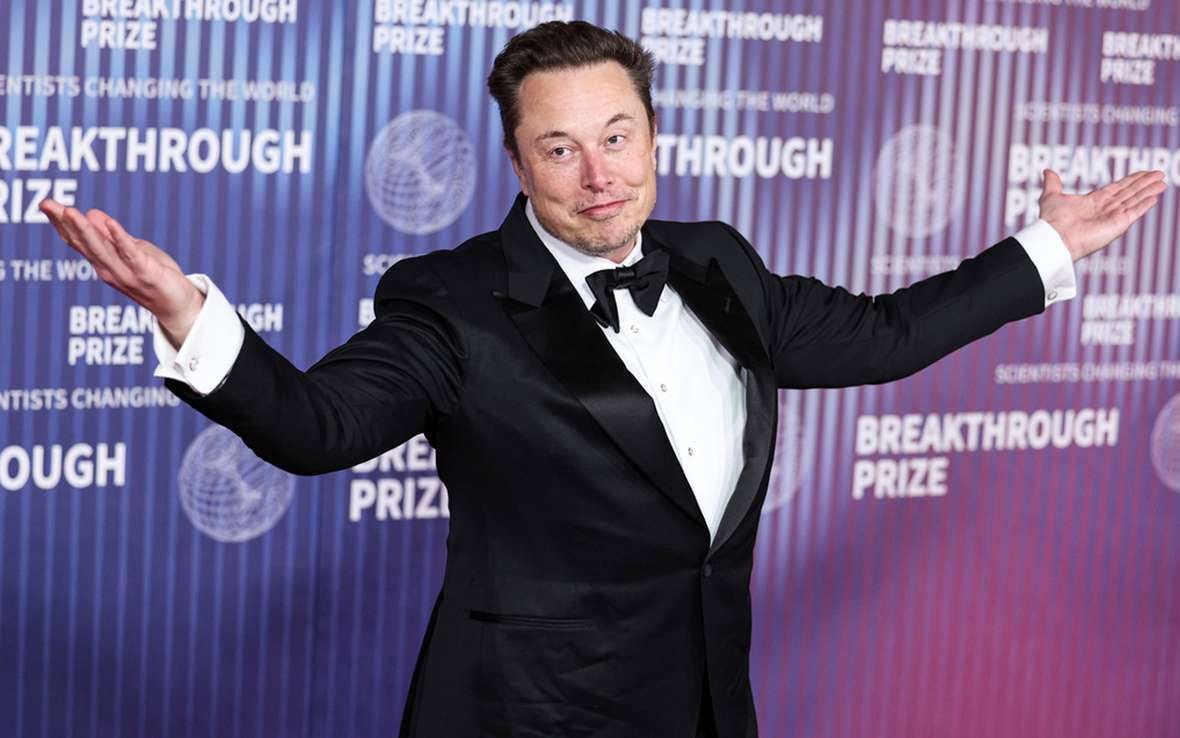
Elon Musk has become the world’s first trillionaire following the historic IPO of SpaceX, which debuted as the largest public offering in history. Depending on the stock price, Musk’s net worth now exceeds $1 trillion. Most of that wealth now comes from SpaceX, which has become one of the most valuable companies on Earth through its rocket business, Starlink satellite network, and growing investments in artificial intelligence. Musk now has more wealth than the bottom 46% of the world’s population – 3.8 billion people.
The scale of the IPO is difficult to comprehend. SpaceX’s public debut raised roughly $75 billion and immediately pushed the company into the ranks of the most valuable corporations in the world. The offering doubled the previous IPO record set by Saudi Aramco and benefited from special rules demanded by Musk of Wall St that allowed the rapid inclusion of SpaceX stocks into major stock indexes, opening the door for billions in retirement and pension fund investments to flow into the company. This has raised controversy as it opens these funds that are typically seen as a safer investment to far more risk.
Musk’s rise has often been presented as the story of a lone entrepreneur. However, SpaceX was built with enormous public support. The company relied on government contracts, NASA partnerships, and federal investments to grow into the aerospace giant it is today. Government agencies remain among its largest customers. There would be no SpaceX without those early guaranteed revenue streams from NASA and DoD. Just as there would be no Tesla without federal and state spending on EV tax credits and clean energy subsidies.
And despite taking so much from public coffers, Musk has historically used tax loopholes aggressively to dodge both personal taxes as well as taxes on his corporations. Tesla paid $0 in federal taxes in 2025, and across the last three years paid just 0.47% effective tax rate to the federal government. That is 45 times smaller than the 21% statutory corporate tax rate, which itself was cut from 35% by Trump in 2017.
And what has he done with this immense wealth? Besides lavish spending on private jets and vanity projects, his political influence has expanded alongside his fortune. In 2022, Musk bought Twitter for $44 billion, reshaping the major social media platform and gutting former moderation efforts. In the 2024 election cycle, Musk spent $290 million supporting Donald Trump and allied candidates, emerging as one of the most influential figures shaping the administration’s approach to technology, regulation, and industrial policy. Just after Trump election in November 2024, Musk’s net worth stood at $350 billion. It has now more than tripled since then. He then joined the Trump administration leading the Department of Government Efficiency, where he led the effort to slash hundreds of thousands of federal union jobs and the services they provide to working people across the country.
The milestone also says something about the era we live in. Union density peaked at roughly 35% in the 1950s. Today it sits near 10%. Meanwhile, wealth concentration has reached levels not seen since the Gilded Age. The gap between a trillionaire and an ordinary worker is so vast it almost stops being meaningful as a number. Last year, Trump’s Big Beautiful Bill cut $1 trillion in Medicaid funding, funding those same tax breaks to corporations and the rich that enable Musk to become a trillionaire. This scale of money could solve broad societal problems – homelessness, hunger, clean water, equitable access to education – but instead it is withheld by the ultra-rich.
But wealth does not appear out of thin air. Tens of thousands of workers designed the rockets, built the satellites, assembled the vehicles, wrote the software, and generated the profits that created this fortune. The question raised by Musk’s trillion-dollar milestone is not simply how rich one person can become. It is what this level of wealth concentration means for democracy, politics, and the future of the economy itself. His wealth was built by – and ultimately stolen from – the working class of this country. No one person should decide what it is used for.

UAW workers win after 10-day strike at American Axle
After ten days on strike, members of UAW Local 2093 at American Axle reached a tentative agreement, bringing an end to a dispute that was nearly two decades in the making.
The strike involved roughly 1,000 workers at the Three Rivers, Michigan facility, a critical supplier for General Motors. Workers had spent years trying to recover from the massive concessions imposed during the Great Recession, when wages were slashed nearly in half under the threat of plant closure. Even after eighteen years, workers still had not fully recovered what they lost.
The new agreement finally begins to close that gap. Workers secured a path to top wages of roughly $30 an hour by 2030 – what many members called “30 by 30.” Just as importantly, they achieved those gains without sacrificing healthcare or other benefits the company had argued would have to be cut. Workers succeeded in finally reversing concessions that had defined an entire generation of employment at the facility and proving that sacrifices made during a crisis do not have to become permanent.
The strike also demonstrated the leverage workers continue to hold in strategic parts of the supply chain. By targeting a critical supplier for GM’s most profitable truck lines, a relatively small group of workers was able to put pressure on a major corporation and force movement at the bargaining table.
BONUS ROUND
Bring it to the shop!
The Pickets & Power Bulletin covers the biggest stories impacting all working people today. Share these stories with your union siblings, coworkers, friends, and family. Read it together, discuss, and take lessons to strengthen your own fights. When we fight, we win – and when we fight, we learn. Tell us in the comments about campaigns you think we should include in our next bulletin!